
Conditions We Treat With Physical Therapy
Pain and movement problems can affect different parts of the body and show up in different ways. At Seva Physical Therapy & Wellness Clinic, we evaluate how your symptoms affect movement and everyday function, then develop care around your individual needs and goals. Explore the treatment areas below to learn where physical therapy may fit into your care.
Start With Where You Feel Limited
You do not need to know the exact name of an injury before seeking help. Some people come to physical therapy with a diagnosis. Others come because pain, stiffness, weakness, dizziness, or a change in movement is affecting what they can do.
Use the body-area guides below to learn about common concerns we see. Each treatment area will connect to more specific condition information as the Seva resource library grows.
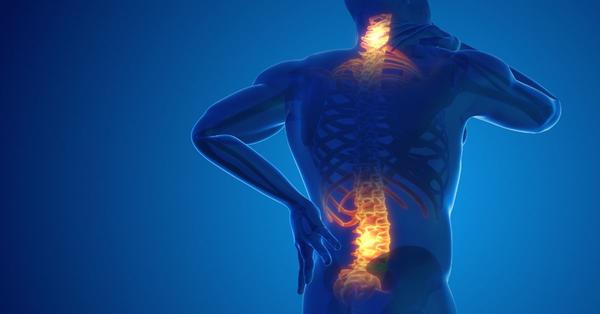
Back & Spine
Back and spine problems can affect sitting, standing, walking, exercise, sleep, and work. We assess relevant mobility, strength, movement, and functional factors rather than looking only at the painful area.
- Back pain
- Neck pain
- Sciatica and radiating symptoms
- Spine-related mobility limitations
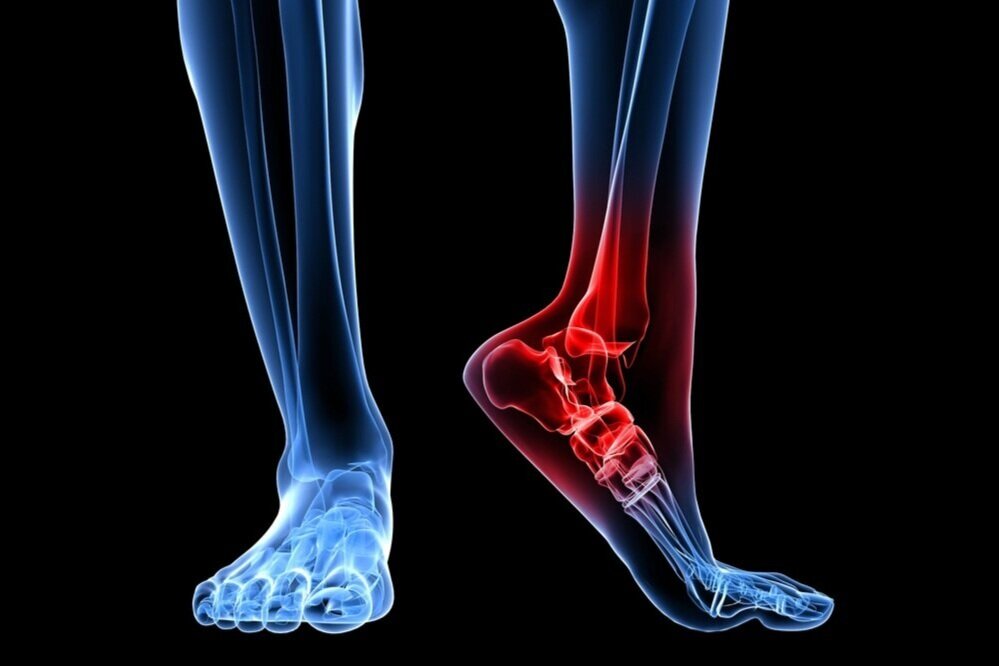
Foot & Ankle
Foot and ankle problems can change the way you walk, run, balance, and load the rest of the body. Physical therapy can address movement, strength, mobility, and return to activity based on the condition.
- Foot pain
- Ankle sprain
- Plantar fasciitis
- Post-injury mobility limitations

Hip Pain
Hip pain may affect walking, stairs, exercise, sitting, and daily movement. Your assessment can look at hip mobility and strength as well as movement through the surrounding areas.
- Hip pain
- Hip arthritis
- Hip bursitis
- Hip labral conditions
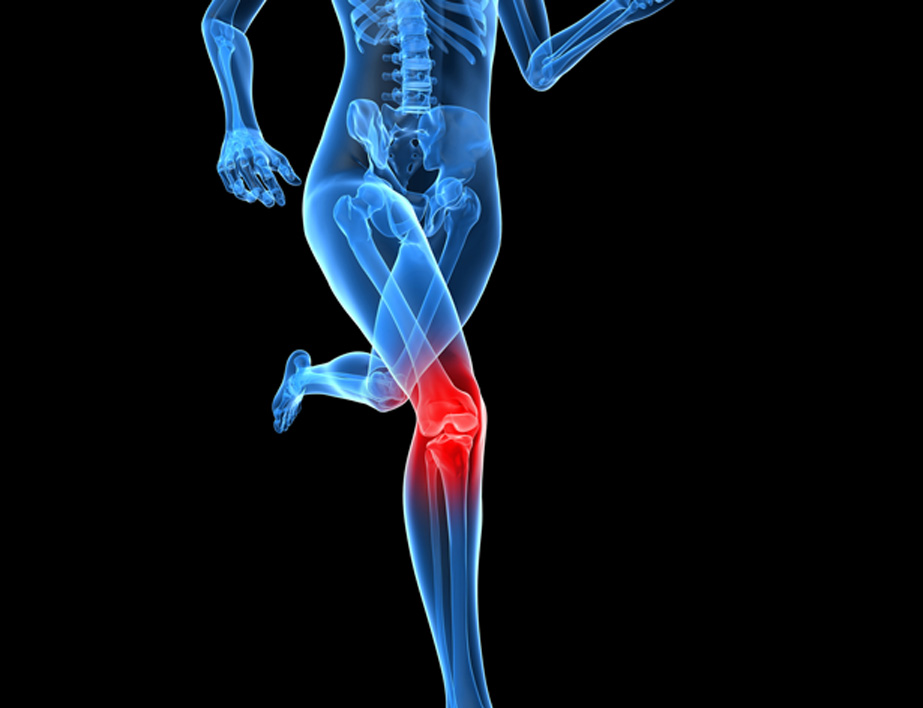
Knee Pain
Knee problems can develop after an injury, during sports, after surgery, or gradually over time. Rehabilitation is built around your current function and what you need to return to.
- Knee pain
- ACL injuries
- Meniscus injuries
- Runner's knee and activity-related pain

Shoulder Pain
Shoulder symptoms can make reaching, lifting, dressing, sleeping, exercise, and sport difficult. Physical therapy may address mobility, strength, movement control, and functional limitations.
- Shoulder pain
- Rotator cuff injuries
- Frozen shoulder
- Shoulder impingement

Elbow Pain
Elbow pain often becomes noticeable during gripping, lifting, computer work, exercise, or racquet sports. Treatment is based on the activities that provoke symptoms and the findings from your assessment.
- Elbow pain
- Tennis elbow
- Golfer's elbow
- Overuse-related elbow problems

Wrist & Hand Pain
Wrist and hand problems can interfere with work, lifting, typing, gripping, exercise, and everyday tasks. We assess the limitations that matter to your routine and goals.
- Wrist pain
- Hand pain
- Carpal tunnel symptoms
- Overuse and repetitive strain concerns
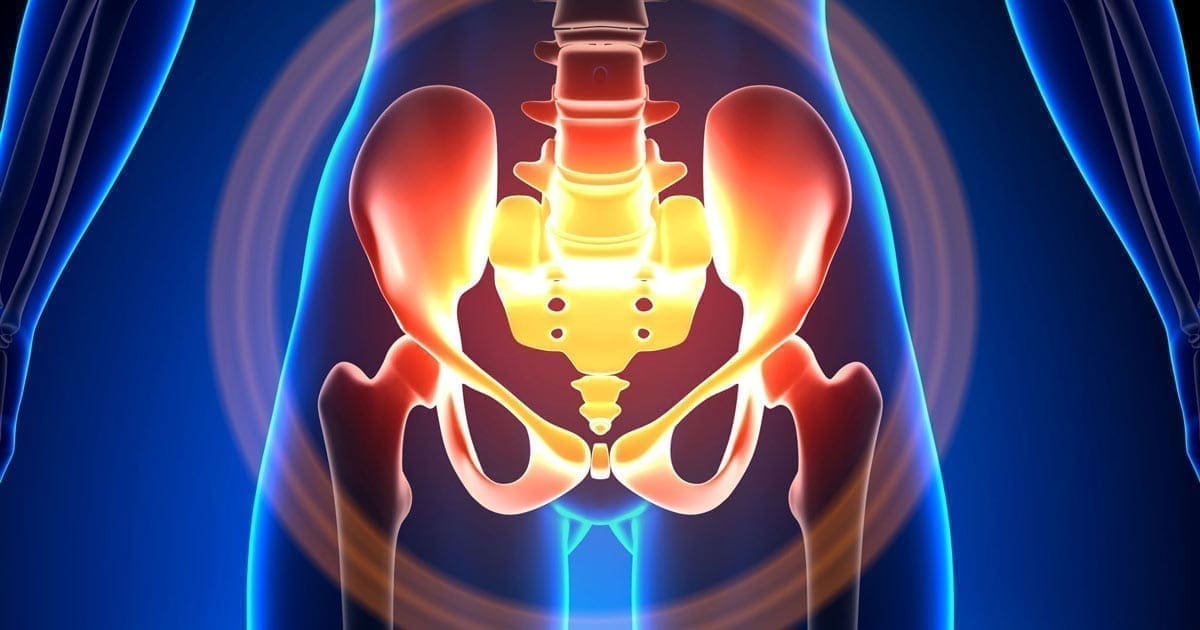
Pelvic Floor Conditions
Pelvic health concerns can affect comfort, bladder or bowel function, exercise, intimacy, pregnancy recovery, and daily life. Pelvic floor physical therapy provides private, individualized assessment and care.
- Pelvic floor dysfunction
- Pelvic pain
- Postpartum rehabilitation
- Other appropriate pelvic health concerns
Symptoms Do Not Always Stay in One Place
Where you feel discomfort is important, but it is only one part of the evaluation. For example, a problem that feels like knee pain may also involve strength or movement at the hip or ankle. Back symptoms may affect the leg. Pelvic health concerns can overlap with hip, low back, or core function.
A physical therapy evaluation helps identify which findings are relevant to your symptoms and daily limitations. Your treatment plan can then focus on the areas that matter for your movement and goals.
When Physical Therapy May Be a Good Starting Point
Physical therapy may be worth considering when pain, stiffness, weakness, an injury, surgery, balance problems, or changes in movement are making normal activities more difficult.
Patients often seek physical therapy when symptoms interfere with walking, stairs, sitting, lifting, exercise, sport, work, sleep, or other daily tasks. An evaluation can help determine whether physical therapy is appropriate and what the next steps may look like.
Signs It Is Time For An Evaluation:
- Discomfort lasting longer than 1-2 weeks without improvement
- Pain that returns every time you exercise or sit at your desk
- Stiffness or tightness limiting your natural range of motion
- Post-operative stiffness or recovery plateau
- Balance unsteadiness or hesitation during daily movements
What Happens After You Choose a Treatment Area?
A treatment page can help you understand a condition, but your care is not based on a webpage or a diagnosis alone. At Seva, your first visit is used to understand how the problem affects you personally.
Tell Us What Has Changed
We start with your symptoms, health history, daily activities, and the movements or tasks that have become difficult.
Assess Movement and Function
Your physical therapist may assess relevant mobility, strength, balance, movement patterns, and functional tasks based on your concern.
Set Practical Goals
Your plan is connected to what you want to do, whether that is walking comfortably, returning to exercise, getting back to sport, working with less difficulty, or progressing after surgery.
Build and Progress Your Plan
Treatment can change as your symptoms and function change. Your therapist uses your response to care and progress toward your goals to guide the next steps.
Frequently Asked Questions
Clear answers regarding conditions, evaluations, and physical therapy care.
Not Sure Which Treatment Area Fits Your Symptoms?
You do not need to figure it out alone. Tell us what you are experiencing, when it bothers you, and what it is keeping you from doing. Our team can help you decide whether a physical therapy evaluation or another Seva service is the right place to start.